

In the contemporary wellness landscape, the intersection of nutrition and social media has birthed a phenomenon known as “metabolic hacking.” This involves pairing specific ingredients under the guise of synergistic biological effects. While these combinations often utilize nutrient-dense whole foods, the physiological claims—ranging from localized adiposity reduction to systemic detoxification—frequently lack empirical substantiation. This report examines the biochemical reality of these pairings.
1. Watermelon and Sodium: The Dynamics of Osmotic Balance
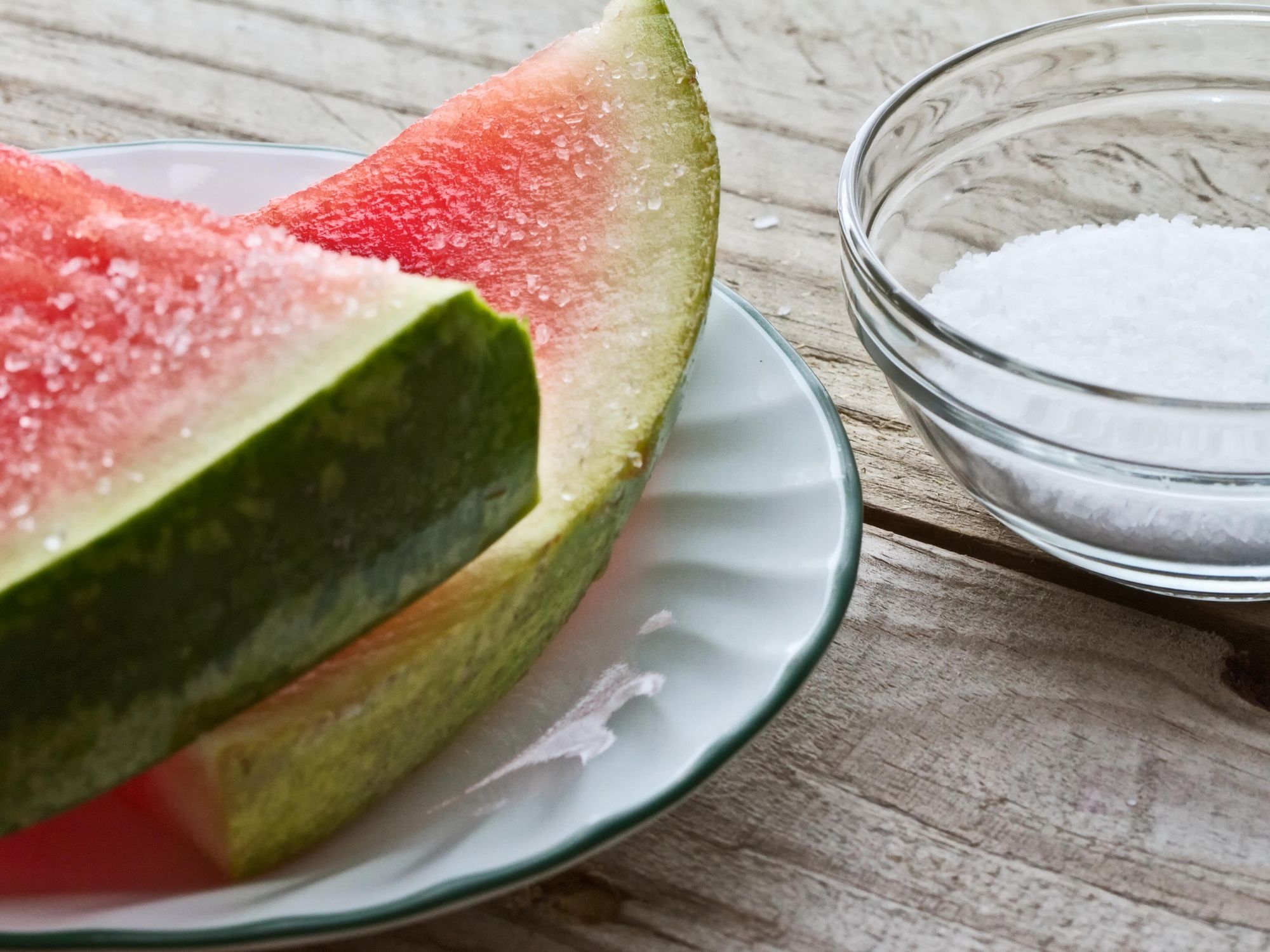
The trend of adding salt to watermelon is often marketed as a catalyst for abdominal fat loss. To understand why this is a fallacy, one must look at adipose tissue metabolism.
- The Biochemical Reality: The combination of glucose (from watermelon) and sodium utilizes the SGLT1 (Sodium-Glucose Linked Transporter) in the small intestine. This mechanism accelerates water absorption, making it an effective strategy for rapid rehydration post-exertion.
- The Myth: There is no metabolic pathway where sodium triggers the lipolysis of subcutaneous or visceral fat cells.
- Conclusion: This is a hydration strategy, not a weight-loss tool. Excess sodium in a sedentary context may actually lead to temporary water retention, mimicking the bloating users seek to avoid.
2. Banana and Black Pepper: Piperine and Nutrient Bioavailability
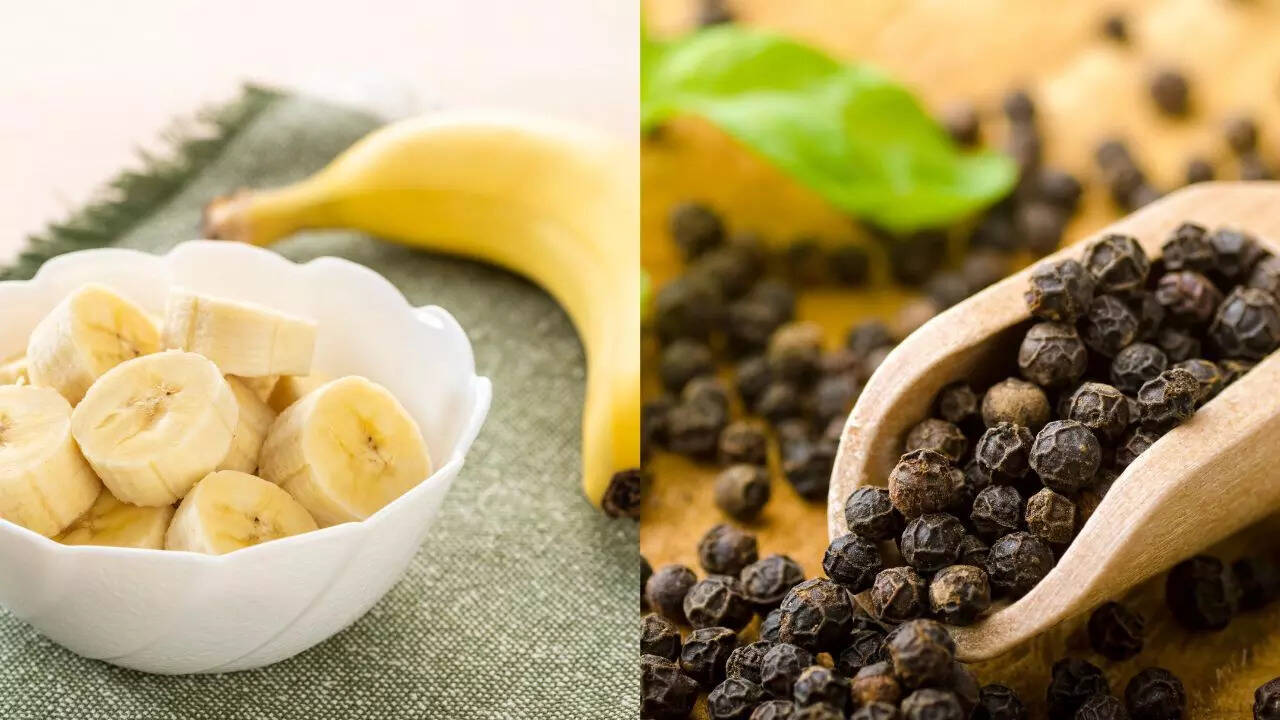
Proponents claim this pairing “reboots” the liver. Scientifically, the focus should instead be on bioavailability.
- The Biochemical Reality: Black pepper contains piperine, an alkaloid known to inhibit certain metabolic enzymes (like CYP3A4) and increase the absorption of various nutrients. When paired with the prebiotic fiber and potassium in bananas, it may marginally improve nutrient uptake and gastric motility.
- The Myth: The liver does not require “cleansing” agents; it operates via Phase I and Phase II detoxification pathways. Piperine does not act as a substrate or catalyst for these enzymatic processes.
- Conclusion: A beneficial pairing for minor digestive optimization, but irrelevant to hepatic detoxification.
3. Pineapple and Cayenne: Enzyme Catalysis vs. Thermogenesis
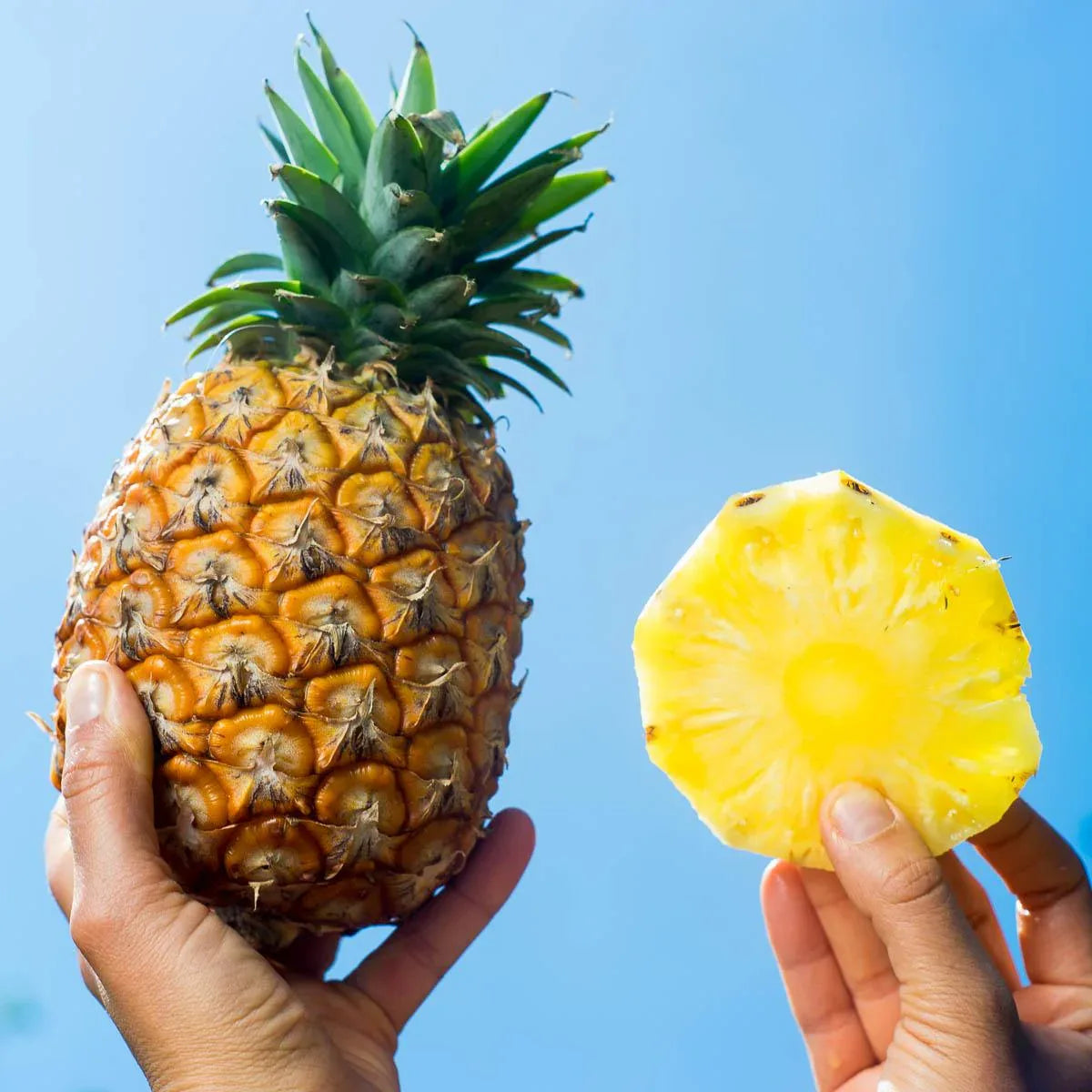
The “toxic flush” claim associated with this pairing confuses digestive efficiency with systemic purification.
- The Biochemical Reality: Pineapple is a source of bromelain, a proteolytic enzyme complex that assists in breaking down proteins into amino acids. Cayenne pepper contains capsaicin, which can induce a transient increase in Diet-Induced Thermogenesis (DIT).
- The Myth: Digestion is a process of breakdown and absorption, not a “flush.” Bromelain acts within the gastrointestinal tract and does not enter the bloodstream in significant enough quantities to “scavenge” toxins.
- Conclusion: Excellent for individuals with minor protein indigestion (hypochlorhydria), but has negligible impact on long-term metabolic rate.
4. Avocado and Cocoa: Lipid Profiles and Dermatological Health

Often touted as a “cure” for acne, this pairing is nutrient-dense but misapplied in its claims.
- The Biochemical Reality: Avocados provide monounsaturated fatty acids (MUFAs) which support cell membrane integrity. Cocoa is rich in polyphenols (specifically flavan-3-ols) that combat oxidative stress.
- The Myth: Acne is a complex inflammatory condition mediated by IGF-1 signaling, androgens, and follicular keratinization. While antioxidants are supportive, they cannot override the hormonal drivers of sebum production.
- Conclusion: A superior nutritional choice for cardiovascular and cognitive health, but not a standalone clinical treatment for dermatological conditions.
5. Lemon and Chia: The Gastric Emptying Mechanism
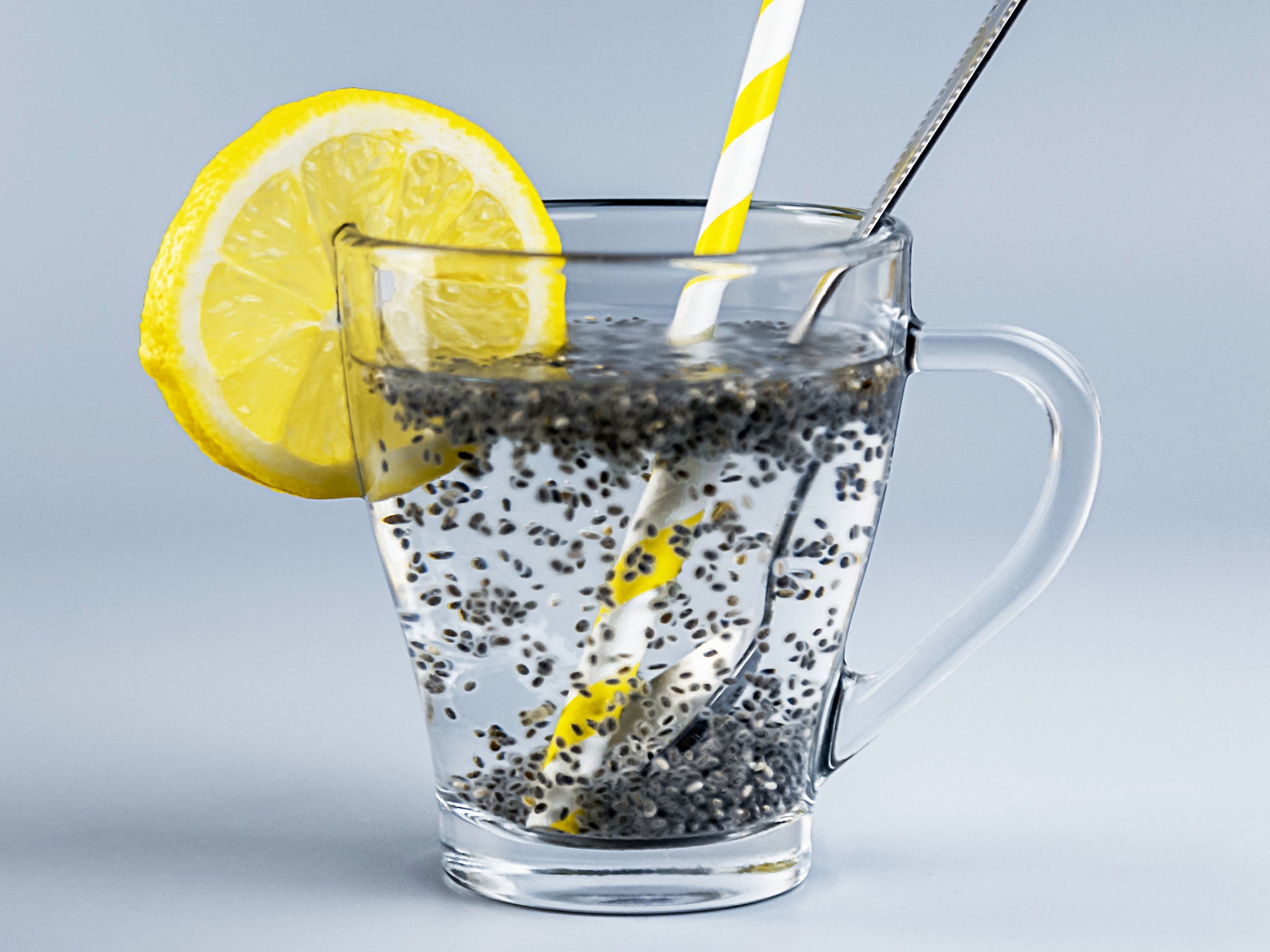
The “Internal Shower” trend claims to radically accelerate metabolism.
- The Biochemical Reality: Chia seeds are mucilaginous; they can absorb up to 12 times their weight in water, forming a gel. This increases the viscosity of chyme in the stomach, significantly delaying gastric emptying.
- The Myth: Delaying digestion (satiety) is not the same as increasing the basal metabolic rate (BMR). Lemon water provides Vitamin C but has zero impact on the rate at which mitochondria produce ATP.
- Conclusion: A highly effective satiety tool to manage caloric intake, but it possesses no intrinsic “fat-burning” properties.
Summary: Evidence-Based Perspectives
In the hierarchy of health, “hacks” occupy the lowest tier of efficacy. Physiological transformation is governed by the Law of Thermodynamics and Homeostasis. Real progress is found in the unglamorous consistency of:
| Focus Area | Biological Impact |
|---|---|
| Energy Balance | Regulation of adipose tissue storage and mobilization. |
| Protein Leverage | Maintenance of lean muscle mass and metabolic signaling. |
| Circadian Alignment | Hormonal regulation (Cortisol/Insulin) through quality sleep. |
| Mechanical Tension | Resistance training to enhance mitochondrial density. |
